


Wintering: Why Some Seasons of Life Are Meant for Rest, Not Growth
- Feb 8
- 4 min read
There was a time in my life when everything felt heavier than usual.
Nothing was wrong in a way I could easily explain. I was still functioning. Still showing up. Still doing what needed to be done. But inside, I felt tired in a way sleep didn’t fix. Motivation was low. Joy felt muted. I kept telling myself, “Just push through. This phase will pass.”
The harder I pushed, the worse it got.
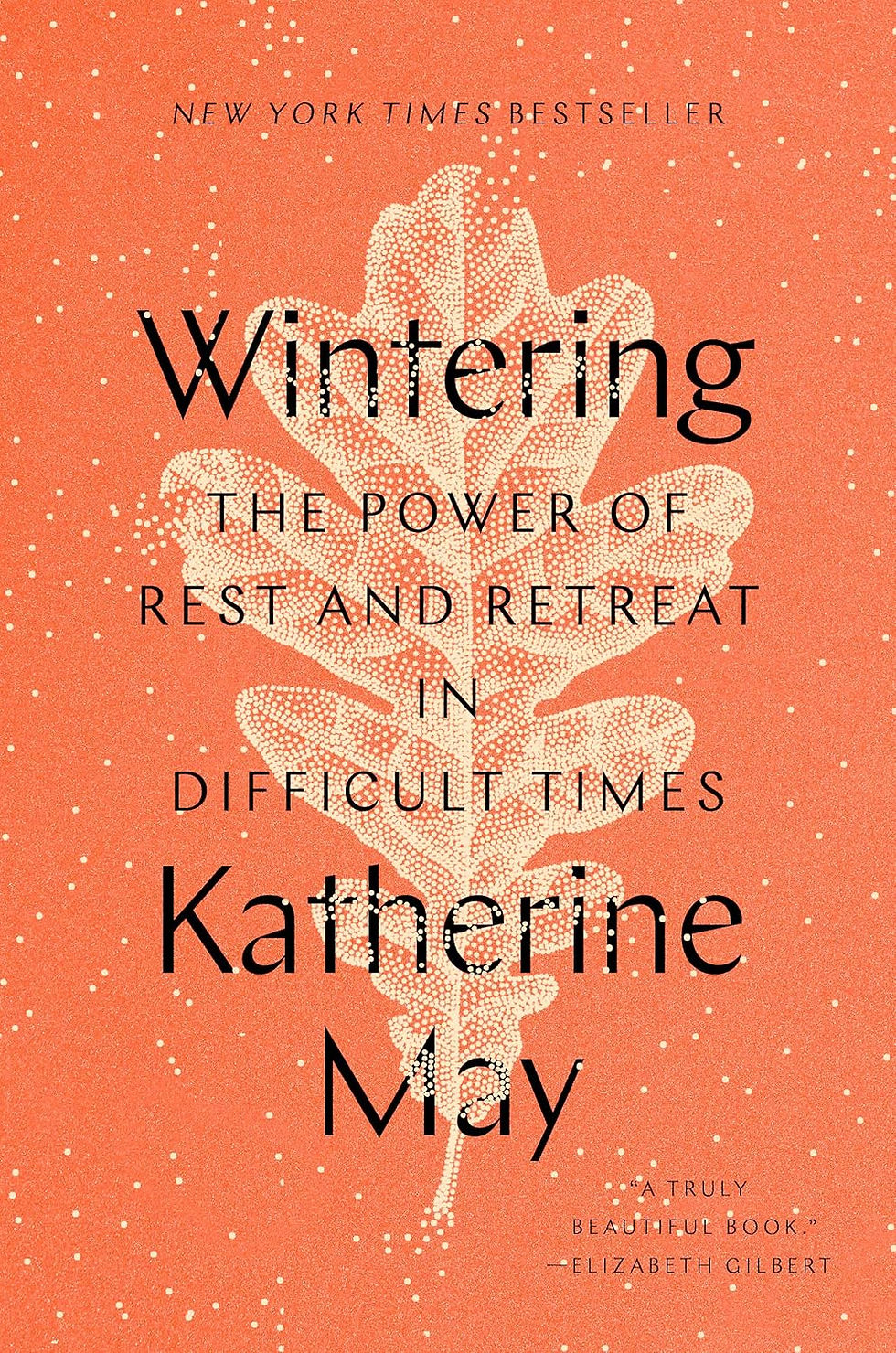
Then I discovered Wintering by Katherine May, and suddenly, everything made sense.
I wasn’t failing.I was wintering.
What Does “Wintering” Mean?
In nature, winter is essential. Trees shed their leaves. Animals slow down or hibernate. The earth rests and restores itself for what comes next.
But as humans, we rarely allow ourselves the same grace.
Wintering is the idea that some seasons of life are naturally slower, quieter, and more inward. These seasons often come during:
Burnout or emotional exhaustion
Grief or loss
Major life transitions
Illness or chronic stress
They are not seasons of visible growth or productivity. They are seasons of survival and restoration.
And according to Katherine May, survival is not something to rush through — it’s something to honor.
Why We Struggle With Some Seasons Like Wintering
We live in a culture that celebrates hustle and constant self-improvement. We’re taught to “bounce back,” stay positive, and keep moving forward no matter what.
I remember feeling embarrassed during my own winter season. When people asked, “What’s new?” I didn’t have a shiny answer. There were no big goals, no exciting updates — just quiet days and limited energy.
Wintering helped me see that this discomfort wasn’t a personal flaw. It was a sign that something inside me needed care, not criticism.
Some seasons aren’t about becoming more.They’re about becoming gentler.
Understanding Wintering in Life Transitions
Wintering often appears during life transitions. A career change, emotional burnout, grief, or even quiet dissatisfaction can signal that you’re entering a season where rest matters more than achievement.
Wintering: Why Some Seasons of Life Are Meant for Rest explains that these phases are not detours from life — they are part of it. Just like nature pulls inward during winter, humans also need seasons of stillness to restore energy and emotional balance.
If you feel tired beyond sleep, disconnected from old goals, or less interested in pushing forward, you may be wintering — and that’s not a failure.
Wintering: Why Some Seasons of Life Are Meant for Rest
One of the most powerful messages in Wintering is this:
Rest is not weakness. It’s wisdom.
I used to believe rest had to be earned. That slowing down meant I was falling behind. But winter doesn’t wait for permission. It comes when it’s needed.
True rest doesn’t always look peaceful or productive. Sometimes it looks like:
Cancelled plans
Earlier bedtimes
Saying no without explanations
Doing less — on purpose
During my winter season, rest wasn’t glamorous. But it was healing. Slowly, I began to feel like myself again — not because I forced change, but because I allowed stillness.
Letting Go of the Timeline
One of the hardest parts of wintering is uncertainty.
There’s no deadline. No clear sign that says, “Okay, you’re done resting now.” And that can be deeply uncomfortable if you’re used to tracking progress and achievements.
I found myself constantly wondering:
How long will this last?
When will my motivation come back?
Am I doing something wrong?
Wintering taught me that healing doesn’t follow a schedule. You don’t rush the thaw. You wait. You listen. You tend to what’s here.
Finding Comfort in Small Things
During winter, joy doesn’t disappear — it just becomes quieter.
Big dreams may feel far away, but small comforts matter more than ever:
Warm drinks
Gentle routines
Familiar books
Quiet evenings
I started lighting candles at night, even when nothing special was happening. I reread books instead of chasing new ones. I stopped demanding answers from myself and focused on creating safety instead.
Wintering reminded me that comfort isn’t indulgent — it’s restorative.
Why Winter Is a Necessary Season
Here’s what Wintering helped me understand most:
Winter is not a pause before life begins again.Winter is part of life.
Without winter:
The soil wouldn’t regenerate
Seeds wouldn’t prepare to grow
Nature wouldn’t sustain itself
The same is true for us.
Winter strips away what no longer fits. It forces honesty. It teaches patience. And when spring eventually arrives — because it always does — growth feels more aligned, more sustainable, and more true.
If You’re in a Winter Season Right Now
If life feels slower than you expected…If your energy is lower than it used to be…If you feel disconnected from old goals…
You’re not broken.
You may simply be wintering.
You don’t need to bloom right now. You don’t need a breakthrough. You don’t need to explain yourself.
You just need to stay.
Final Thoughts
Wintering gave me language for a season I didn’t know how to name. It reminded me that rest has purpose, stillness has value, and quiet seasons are not wasted time.
If you’re moving through a winter of your own, this book feels less like advice and more like companionship.
👉 If this message resonates with you, you may want to spend time with Wintering by Katherine May. It’s a gentle, beautifully written reminder that slowing down isn’t failure — it’s part of being human.
(You can find it on Amazon here — this is an affiliate link that helps support Thrive Within Now at no extra cost to you.)
Spring doesn’t come because we force it.It comes because we allowed ourselves to rest.


Comments