


The Mountain Is You – A Deeply Personal Review on Self-Sabotage and Inner Growth
- Dec 30, 2025
- 4 min read
Updated: Jan 22
Author: Brianna Wiest
Introduction: Why The Mountain Is You Feels So Personal
Some self-help books motivate you. Some educate you. And then there are books like The Mountain Is You—they quietly confront you.
I picked up this book during a phase when everything looked fine on the outside, but internally I felt stuck. I wasn’t failing, yet I wasn’t moving forward either. I kept circling the same thoughts, delaying decisions, overanalyzing everything. If you’ve ever felt like you are the one standing in your own way, this book speaks directly to that experience.
Brianna Wiest doesn’t shout solutions at you. She invites you to look inward—and that’s what makes this book powerful.
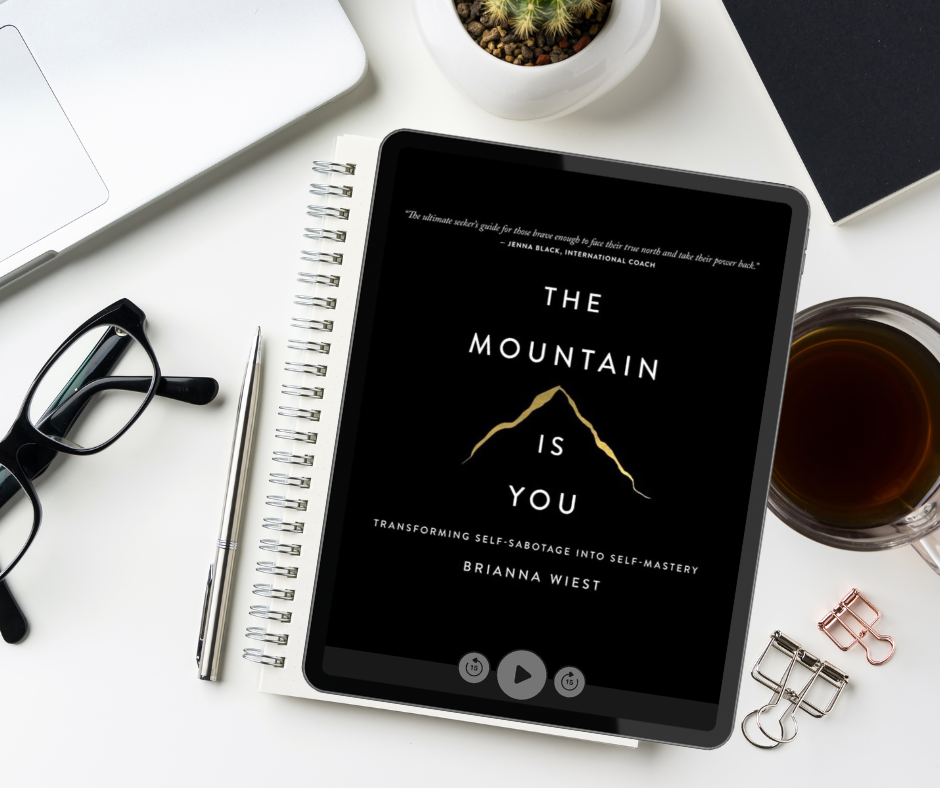
What The Mountain Is You Is Really About
At its core, The Mountain Is You is about self-sabotage—why we do it, how it shows up in our lives, and how we can transform it into self-mastery.
Wiest presents a simple but uncomfortable truth:
The biggest obstacles in our lives are often created by our own subconscious patterns.
This isn’t about blaming yourself. It’s about understanding yourself.
She explains that self-sabotage isn’t laziness or lack of discipline. It’s often a coping mechanism developed to protect us from pain, uncertainty, or emotional risk. Once I understood this, my inner dialogue softened. Instead of criticizing myself for being “stuck,” I started asking why I was resisting change.
A Personal Reflection: Recognizing My Own Patterns
One section that resonated deeply with me was her discussion on waiting for clarity.
I’ve always told myself, “I’ll start once I feel ready.” New projects. Big decisions. Even small changes.
But readiness never came.
Wiest explains that clarity is a result of action, not a prerequisite. That idea alone forced me to reflect on how many opportunities I delayed simply because I was afraid of discomfort or failure. I wasn’t avoiding action—I was avoiding uncertainty.
That realization stayed with me long after I closed the book.
Emotional Patterns and Why They Repeat
Another powerful theme in The Mountain Is You is emotional repetition.
Wiest explains that emotions we don’t process don’t disappear—they resurface in different situations, relationships, and reactions. This explained so much for me. I noticed how certain situations triggered outsized emotional responses, even when the moment itself didn’t warrant it.
Instead of reacting, I began pausing and asking:
What is this really about?
Where have I felt this before?
This shift—from reaction to awareness—felt like real growth.
Identity, Comfort Zones, and Fear of Change
One of the most honest parts of the book is its discussion about identity. Wiest explains how we cling to familiar versions of ourselves, even when they no longer serve us.
This hit hard.
There are parts of our identity that feel safe simply because they are known—even if they keep us small. Letting go of those identities feels like losing control. Wiest reassures readers that growth doesn’t require reinventing yourself overnight. It’s a gradual release of what you’ve outgrown.
That perspective made change feel less intimidating and more compassionate.
Why This Book Feels Different from Typical Self-Help
What sets The Mountain Is You apart is its tone.
No hustle culture
No rigid formulas
No “fix yourself in 30 days” promises
Instead, the book emphasizes:
Emotional awareness
Self-responsibility without shame
Growth as a nonlinear process
Wiest acknowledges that personal transformation can feel lonely, confusing, and uncomfortable. That honesty builds trust. You don’t feel talked down to—you feel understood.
How This Book Changed My Day-to-Day Thinking
This book didn’t magically change my life overnight. What it changed was how I talk to myself.
When I feel stuck now, I don’t spiral into frustration. I pause and ask:
What part of me is resisting this—and what is it trying to protect?
That question alone has diffused countless moments of self-criticism.
I’ve also become more comfortable taking imperfect action. I no longer wait for certainty. I act, adjust, and learn—something I struggled with for years.
Who Should Read The Mountain Is You
This book is ideal for:
Anyone experiencing self-doubt or emotional burnout
People stuck in repetitive patterns
Readers navigating career or life transitions
Those interested in emotional intelligence and self-awareness
If you prefer actionable checklists and step-by-step systems, this may not be your book. But if you’re looking for deep internal clarity, this book offers lasting value.
Best Way to Read This Book
This is not a book to rush.
I recommend reading it slowly—maybe a chapter at a time. Pause often. Reflect. Journal if you can. Many passages feel like they were written to be reread during different phases of life.
It’s the kind of book that grows with you.
Final Thoughts: Is The Mountain Is You Worth Reading?
Absolutely.
The Mountain Is You doesn’t give you answers—it helps you ask better questions. And sometimes, that’s far more powerful.
By the end of the book, I realized that the mountain I thought I needed to conquer wasn’t an external challenge. It was my own resistance, fear, and unprocessed emotions.
Understanding that didn’t weaken me—it empowered me.
If you approach this book with honesty and patience, it has the potential to shift how you see yourself—and that shift can quietly change everything.
📚 Buy The Mountain Is You
Disclosure: This post may contain affiliate links. If you purchase through these links, I may earn a small commission at no additional cost to you.


Comments